
Understanding the historical evolution of gambling practices through time
The Origins of Gambling
The practice of gambling can be traced back to ancient civilizations, where it served both recreational and ritualistic purposes. Archaeological findings suggest that dice were used in Mesopotamia as early as 3000 BCE, showcasing humanity’s long-standing fascination with chance and fortune. Early forms of betting often revolved around games of skill, chance, and even divination, making it a multifaceted aspect of social life. Many enthusiasts today flock to casino sites to experience this thrilling engagement with chance.

As societies evolved, so too did their approaches to gambling. Ancient Rome and Greece saw gambling as a popular pastime, with events such as chariot races and gladiatorial contests becoming integral to their culture. The introduction of more formalized betting systems allowed citizens to engage in gambling in a more organized manner, setting the stage for future developments.
The Middle Ages and the Rise of Gaming Houses
The Middle Ages marked a significant turning point in gambling history, particularly in Europe. With the rise of the feudal system and the establishment of social hierarchies, gambling became a popular activity among the aristocracy. Gaming houses began to emerge, where nobles could engage in games of chance such as cards and dice. This shift allowed for the normalization of gambling within society, leading to the creation of more complex betting structures.
During this era, various forms of gambling were outlawed in several regions, often due to the belief that it led to moral decay. However, underground gambling continued to thrive, illustrating the persistent allure of games of chance despite societal restrictions. This dichotomy paved the way for the eventual acceptance and regulation of gambling practices in later centuries.
The Age of Enlightenment and Regulation
The Age of Enlightenment ushered in a period of increased rationality and a burgeoning interest in personal freedom, including the realm of gambling. The establishment of state-run lotteries began during this time, as governments sought to fund public projects while simultaneously controlling the gambling landscape. Lotteries provided a legal avenue for gambling, marking a shift in public perception from an immoral practice to a government-sanctioned activity.
This period also saw the creation of more sophisticated gaming establishments, particularly in cities like Paris and London. The establishment of casinos in the 18th century provided structured environments for gambling, further legitimizing the practice. The introduction of games such as baccarat and roulette made casinos attractive destinations for the wealthy and laid the groundwork for the gambling industry as we know it today.
The 20th Century and Modern Developments
The 20th century heralded a revolution in gambling practices, driven largely by technological advancements and societal changes. The advent of the internet in the late 20th century gave rise to online gambling, enabling individuals to place bets and play games from the comfort of their homes. This shift drastically changed the landscape of gambling, making it more accessible to a global audience.
Moreover, legislative changes in various countries began to reflect a more accepting attitude towards gambling. Many regions legalized casinos and sports betting, leading to significant economic growth in the gambling sector. The rise of mobile technology further enhanced this evolution, allowing players to gamble on-the-go and transforming how people engage with games of chance.
Exploring Gambling in Toronto
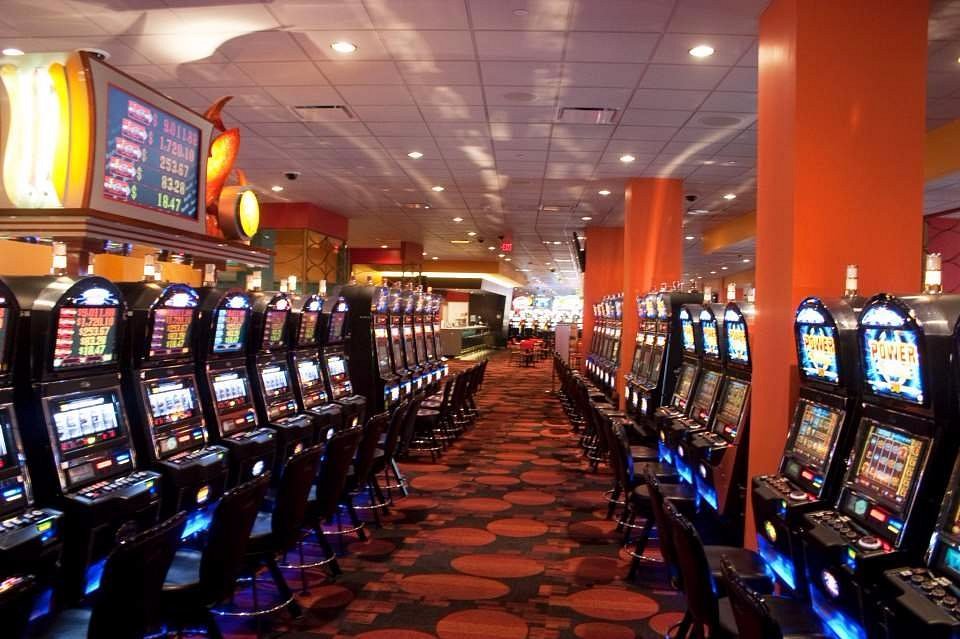
Toronto’s vibrant culture includes a rich tapestry of entertainment options, including gambling establishments that attract both locals and tourists. The city is home to several casinos that offer a variety of games, from traditional table games to the latest in electronic gaming. These venues not only provide entertainment but also contribute to the local economy, drawing visitors eager to explore the thrilling world of gambling.
For those looking to delve deeper into Toronto’s gambling scene, the city offers unique experiences that combine rich history with modern gaming. Exploring these venues allows visitors to appreciate the evolution of gambling practices firsthand, making it a fascinating aspect of Toronto’s cultural fabric. Engage with the community and discover how this age-old pastime continues to thrive in the heart of the city.